
The Joke Without a Punchline
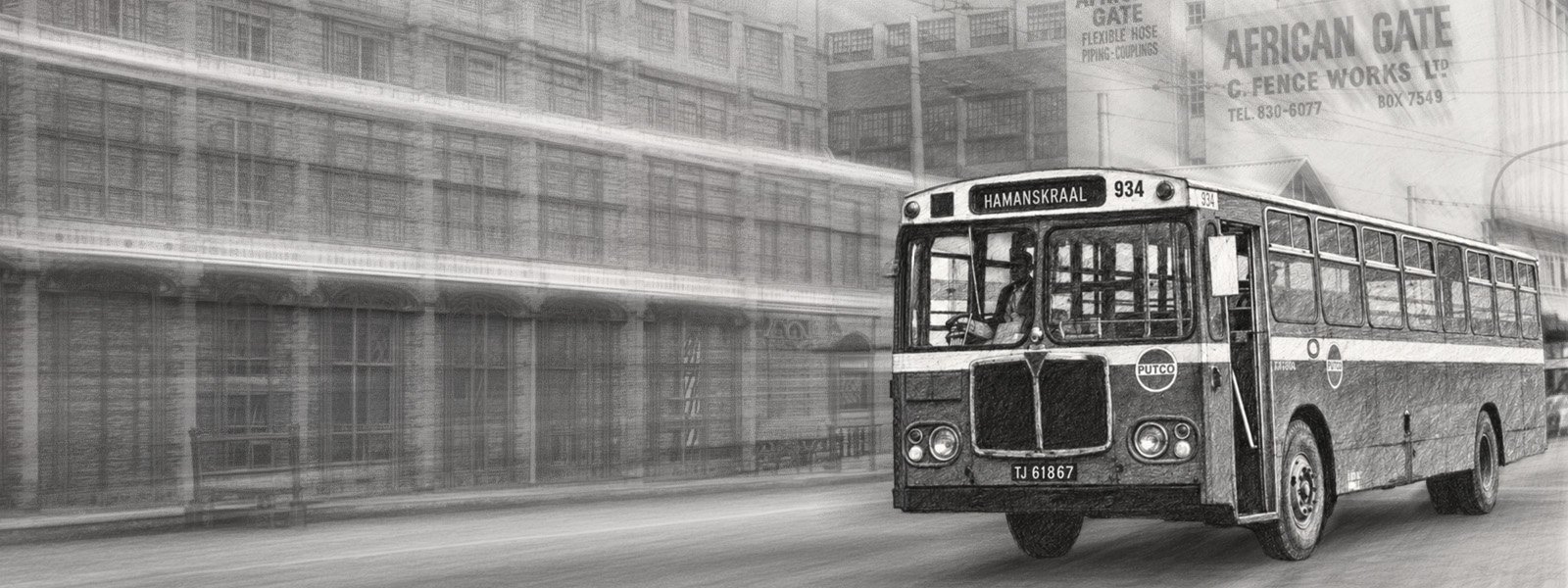
I grew up in a place that didn't make sense. On second thoughts, let me rephrase that: it was completely insane. South Africa under apartheid ran on rules so intricate, invasive, and obscene that keeping a straight face while explaining them would have been impossible.
You could tell black South Africans they could not ride on white buses, but they could clean them. You could look at 98% of Samantha Fox’s chest in Scope magazine, but a Playboy magazine would see you arrested. The system needed you to take it all seriously. Laughing at it was a way of refusing. Most of us on the English-speaking side just made fun of the Afrikaners, who were the most obvious face of the system and an easy target. Van der Merwe jokes abounded.
Q: How do you confuse Van der Merwe?
A: Give him two shovels and tell him to take his pick.
Q: How do you keep Van der Merwe busy?
A: Give him a piece of paper with “Please Turn Over,” written on both sides.
Was that an acceptable way to deal with the reality of twentieth-century South Africa? All I know is that humour got my family and the people around us through years that deserved more anger.
Here's the thing about laughing at collapse. It isn't the same as finding it funny. Most of the people I grew up with did not think apartheid was funny. Some thought it was awful and others considered it necessary, because the National Party said so. What was funny, if you looked hard enough, was the sheer effort the system put into being taken seriously while failing constantly at its own logic. The absurdity was obvious and not to be talked of. A country spending that much energy pretending to be normal is a country that knows, somewhere underneath, that it isn't.
Writing about that period years later, from California, with the distance that comes from having left, I found the same instinct kicking in. The stories I wanted to tell weren't really about apartheid. They were about the people living sideways through it, doing ordinary things, like going to university or getting into trouble with cars, while the bloodshed continued. The comedy lives in that gap. It's the country that's absurd, never the people trying to survive it with some dignity intact.
The risk is that humour can let people off the hook, including yourself. It's easy to turn a hard history into a set of charming anecdotes and call it storytelling, when really you've just filed the sharp edges off so nobody, least of all you, has to feel uncomfortable. I've tried to hold that line in my own writing. If a story makes you laugh, it should still leave you with something that doesn't sit easily, or it isn't doing its job.
I think that's the real test for anyone trying to find humour in a society falling apart. Does the laugh make the thing smaller, or does it hold the thing up so you can finally see it properly?
I don't think we're owed a laugh when things fall apart, but I think we're allowed one, provided we're laughing at the right target. Laugh at the system that collapsed under its own stupidity, and at the people who wrote nonsensical rules before acting shocked when reality wouldn't follow along. We often found the people breaking the rules funnier than the rules themselves. One brilliant story that did the rounds was of a labourer who crossed the border from South Africa into Zimbabwe every morning with a wheelbarrow. The border guards would stop him and ask if he had anything to declare, and every day he would show his empty pockets and empty wheelbarrow and get waved through. Later, it turned out he was selling wheelbarrows in Zimbabwe. The revenge of the little man is hilarious.
Whatever we laughed at, it was mostly to keep from doing something worse with the anger.
That's about as close as I've got to an answer, after years of trying. The country I grew up in was falling apart around us the whole time I was in it, and somehow the moments of laughter are some of the clearest memories I have of what it actually felt like to be there.
Please join me on October 10 at the Encinitas library for the launch of barking at Dogs. I would love to see you there.