
Driving Friends Home
There's a story in Barking at Dogs called Lost in Rhini, and it's the one story that sticks with me.
I still go back to that one night, because I have only ever considered my own mortality a few times, but that one left me completely powerless. My life hung in the balance, decided by the whim of a group of strangers in greatcoats. When I think back, the events of that night went well beyond the car ride or anything that happened to me and Block. It's about how an ordinary act of friendship can cost you everything when there is a system in place designed to make sure that the cost stayed high.
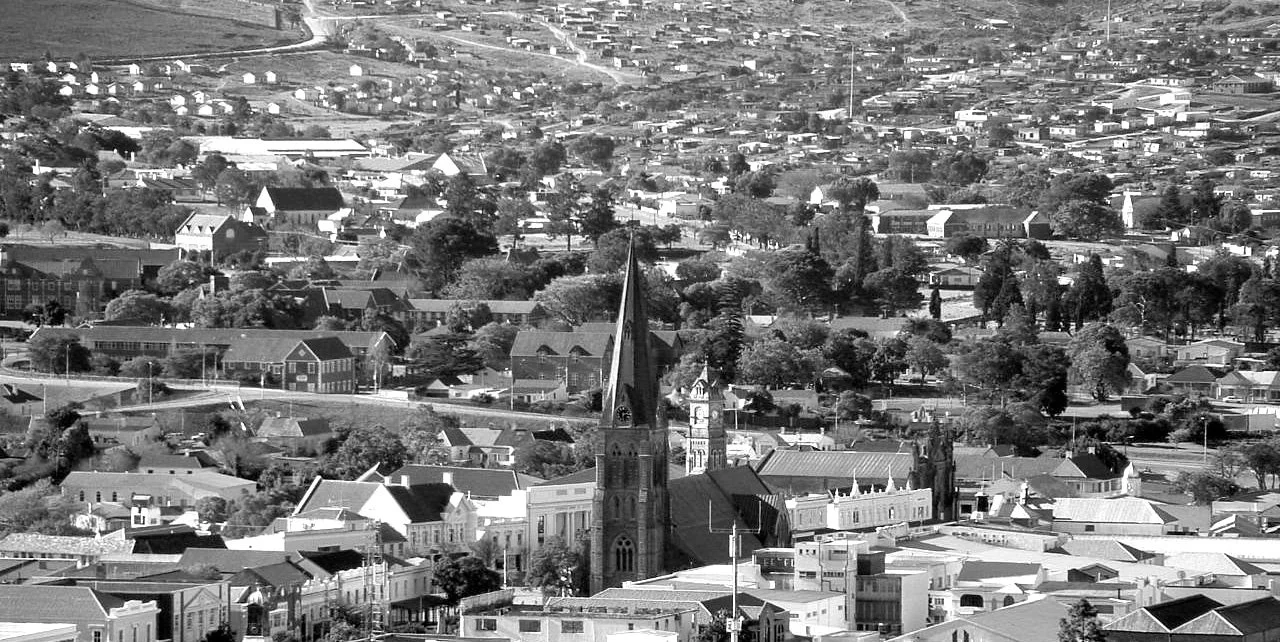
The short version, without giving too much away, was that two of my bandmates, Mini and Bully, lived in the township outside Grahamstown, now Makanda. My friend Block and I lived on the other side of a line the law had drawn to separate the races. Giving them a lift home after a gig sounds like nothing. It should have been nothing. Instead, it meant driving along donkey tracks in the dark, because the main roads were dotted with checkpoints, the township was under curfew, and men with guns stood guard, paid to bar white students from ever entering a black township after sunset.
We got caught. I won't tell you exactly how it ended, because that's the whole reason to read the book, but I'll tell you what I think about now, years later, sitting in California with a paperback of the thing on my desk.
I think about how normal it felt at the time to fear something so anodyne. Driving a friend home. That's it. The system had worked very hard to make sure four people who liked each other's company and made music together would also be forced to calculate the risk of a lift home, like it was a military operation.
The comedy in that story, and there is some comedy in it, lies in how absurd the danger was for something so ordinary. That's the tone I was chasing throughout the book. The country was ridiculous, not us. And as much as I want to be the hero of the story, it could never be. I was a nervous twenty-year-old who wanted to do the decent thing and was terrified the whole time I was doing it. Mini and Bully, well, that's different. We had skin colour on our side. My friends did not. Had they been caught that night, they would likely not have been around the following morning to tell their story.
What I've come to appreciate, writing about it all these years on, is that the story isn't really about apartheid in the abstract. It's about the specific, physical logistics of one late drive. The smell of the township at two in the morning. The sound of a safety being snapped off somewhere in the dark. I wrote the book the same way I talk about those events, and I hope the details I included take the reader on that journey with us. I want people to feel something of what we felt, rather than just read about it.
When you get around to reading Barking at Dogs, I'd love to know what stays with you.