
South Africa’s Fault Lines
The divides, old and new, among expat South Africans
We were at a park with my brother’s family, my wife Lee and I, watching our two girls on the swings, when another family arrived with their two. The parents spoke Afrikaans to each other, loudly, the way you might in a country where nobody understands you. The mother looked at the swings, then at her children, and offered a rude comment about how selfish our children were, safe in the assumption that we were just homegrown Americans.
She was wrong, as it happens. I waved to my kids and, in my obviously English intonation, said, "Kom, kinders, ons gaan huis toe." Come on, children, we're going home.
The look of shock and bewilderment on that mother's face was worth the price of admission. Then something else, a softening, a nod. For a moment nobody was Afrikaans or English, nobody was anything except from the same place, standing in a park a very long way from where they began.
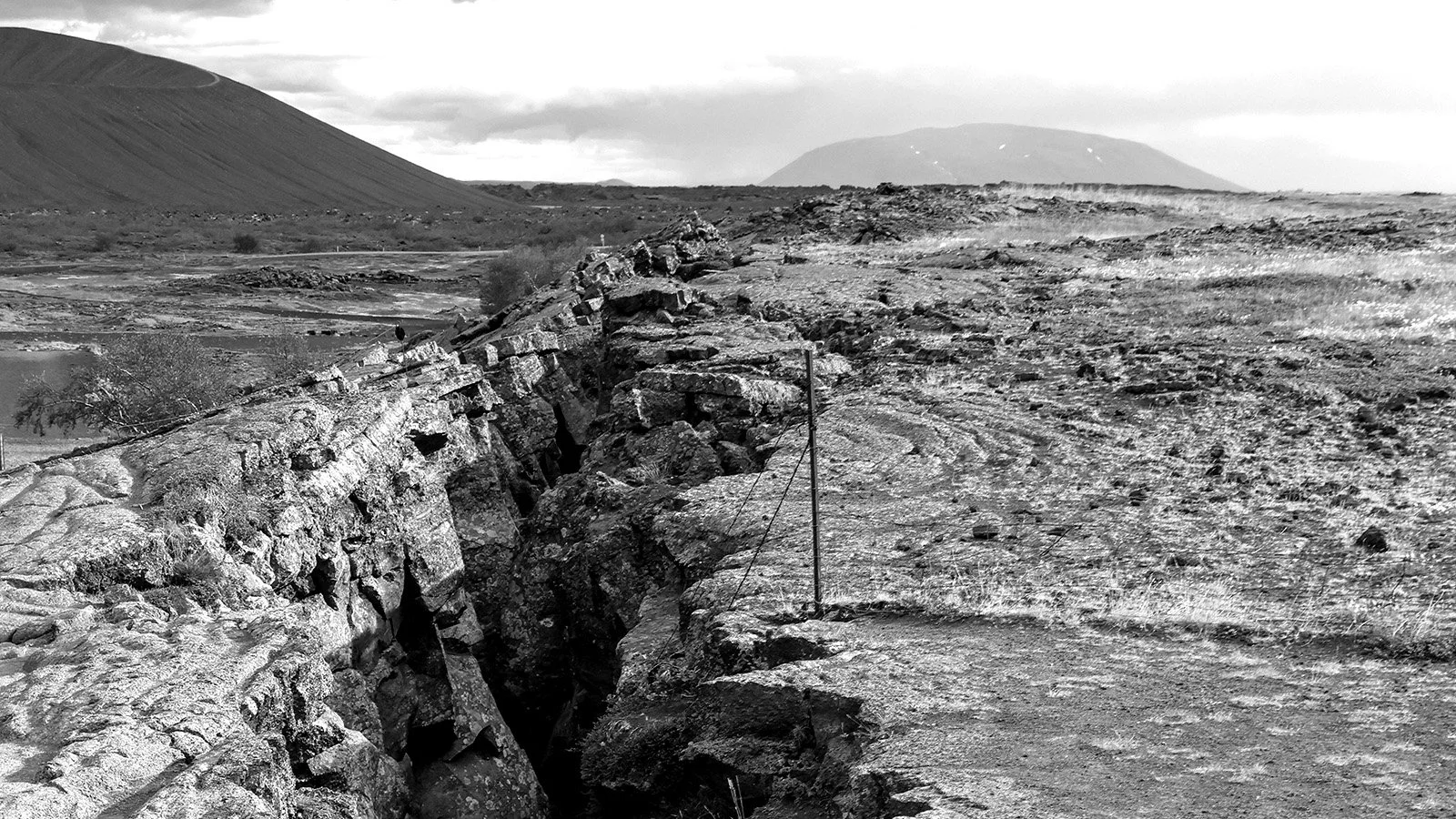
That moment would probably have gone differently at home. Growing up English-speaking and Jewish on the edge of white suburbia in the seventies and eighties, I would immediately have registered that family's tribe. They would have done the same. South Africa had fault lines the way other countries have rivers and streams, and you learned early which ones you could cross and which ones you couldn't. English and Afrikaans. Jew and gentile. City and country. Left and right, with race running underneath all of it like the water table.
Then you emigrate, and some of those lines simply don't survive the flight.
America has more South Africans than most people here realise. We are the ones leaving the South African store clutching our chutney and biltong, the ones who say "just now" and mean anything from five minutes to never. We are the rugby crowd at the English pub on a Saturday morning, fully integrated by a shared disdain for the New Zealand All Blacks, or any other team not called the Springboks. People roar and drink together, whether they were originally from Bellville, Sandton, Mamelodi, or Mitchells Plain, sharing a beer and a moment like long-lost cousins. The old wariness gets left at the airport with the spent boarding pass.
The airport is where the circle widens, certainly for me. A few years back, I was sitting at a gate at LAX when I fell into conversation with a man who spoke the way I did, if a little more cultured. Black, about my age, and not from South Africa at all. He was from Zimbabwe, a doctor working on the front line of the AIDS epidemic, heading back to it. We talked for the better part of an hour, and it stopped being about South Africa, or Zimbabwe. We were two Africans in a strange new place, comparing notes on how to carry it. We swapped numbers and promised to stay in touch. You can guess how that went.
South Africans arrived here in waves, and the wave you came in on says a great deal about you. The first wave left in the years before 1994, when the country was in the throes of a low-grade civil conflict and a hot border war. Someone I know well emigrated then, driven by fear, afraid that war might come home to her gates and that the safety apartheid afforded her might be lost. She has been here forty years and will tell you with a straight face that the trouble with this country is the immigrants. I have never found the right moment to point out that she is standing on someone else's land, despite the blue passport in her safe.
I came in the second wave, years later, after the first free and fair elections. I want to be clear about why, because the reasons matter here. The politics didn't drive me out. I loved that Nelson Mandela embraced the whole of South Africa, turning us into the rainbow nation. The crime was the trigger, and I'll leave it at that.
The third wave is still arriving. They left because of the politics and the crime, and they will tell you so at length. They are landing in a country that is, at this moment, arguing loudly about people exactly like them.
None of this comes up when we gather for a braai, what home-grown Americans call a BBQ. What comes up is the exchange rate, the rugby, whose mother is visiting for six months and driving everyone mad, and where to find good boerewors. Which is fine. It's a braai. But if you stand at the edge of the smoke long enough you can make out many of the old fault lines just below the grass, and a few new ones.
Back at the park, our kids were done with the swings. The other family's children took their turn. Lee and I walked to the car with ours, and behind us I could hear the mother say, "They didn't look South African."